


When a Queensland local logs on to a live dealer table, the experience runs on a real-time video feed rather than a shuffled RNG deck, and understanding live casino how it works keeps the session honest from the first bet to the final payout. I’ve tracked operator setups across regional Queensland for a few years now, and the difference between a polished studio and a rushed broadcast shows up in every hand. You don’t need a degree in broadcast engineering, but you do need to know where the cards come from, who’s watching the stream, and what happens when your chips hit the felt.
The table itself is a physical studio with a real dealer, a shoe or a wheel, and a camera rig that pushes the feed to your screen. Each hand or spin is captured from multiple angles, and the dealer’s calls are fed through a live audio channel so you can hear the shuffle and the payout call. The software layer sits underneath that video, translating your click into a bet placement on the digital grid before the dealer closes the round. I’ve sat through enough demo runs at wanted-dead-or-a-wild-demo-au.com to see how the timing between your wager and the dealer’s cut-off window can make or break a session, and that window is usually tight enough that a half-second delay matters. The dealer doesn’t read your screen; they read the physical layout, and the digital overlay is just the bridge between your click and their shoe.
The stream gets routed through a low-latency server, and the operator’s platform keeps a separate record of every bet placed against that round. When the dealer announces “no more bets,” the game logic locks the grid, compares your selection against the result, and pushes any winnings back to your balance before the next hand starts. That sequence is where most players lose track of what they’re actually paying for, because the live feed is the show but the settlement engine is the product. Ethan Patel, Digital Acquisition Director, Southern Cross Gaming Advisory, puts it straight: “Players think the camera is the product, but the real differentiator is how quickly and consistently the settlement engine reconciles a live round against the digital bet log.” I’ve seen studios where the video looks smooth but the payout timing lags, and that lag is what turns a clean session into a frustrated one.
If you’re playing from a regional Queensland town where the broadband can drop out during a storm, the stream’s stability matters more than the dealer’s smile. A dropped frame doesn’t reset the round, but it can leave you staring at a frozen grid while the dealer has already moved on, and that’s when you start questioning whether your bet was actually registered. The operator’s side keeps a round log that matches your wager to the result, and that log is what you’d want to check if a payout looks off. I’ve run through enough arvo sessions on a spotty connection to know that a stable stream with a clear bet-confirmation tick is worth more than a glossy table that hesitates on settlement. The live feed is the experience, but the log is the record, and both need to line up before you call it a fair go.
Getting into a live table follows a predictable path, and the steps are the same whether you’re on a laptop or a phone on the train home. The platform checks your account status, loads the available tables, and lets you pick a stake before the dealer opens the shoe.
- Open the live lobby and filter by table limits, dealer language, and game type.
- Tap the table to load the stream and check the bet window timer before placing anything.
- Select your chip value and place your wager on the digital grid while the timer is still running. wanted-dead-or-a-wild-demo-au.com
- Watch the dealer call the round, wait for the result to lock, and confirm the payout in your balance.
- Review the round history if you want to cross-check a result before your next bet.
The table limits and chip values stay fixed for the session, and the dealer’s pace doesn’t change just because you’re on mobile. I’ve watched players try to chase a bad run by jumping between tables mid-session, and that usually just burns through a bankroll faster than a flat-out like a lizard drinking afternoon on a long weekend. The live table doesn’t care about your mood; it cares about the shoe, the wheel, and the bet window, so the practical move is to pick a stake you’re comfortable with and stick to the flow of the round.
Where the session keeps paying off is in the recurring side of the operator’s setup, because the welcome offer is only the doorway and the real value sits in what keeps you coming back. Loyalty points usually accrue per bet rather than per win, and those points feed into a tiered programme that can unlock cashback on lost hands or access to scheduled tournaments. I’ve tracked a few operators where the cashback kicks in after a set loss threshold over a week, and that kind of recurring mechanic is what separates a one-off promo from a table you actually return to. Eliza Walker, Risk and Integrity Manager, Laneway Interactive Media, notes the compliance angle plainly: “Recurring promos have to be tracked against the same integrity rules as the base game, because a cashback or tournament mechanic can’t quietly shift the odds or the settlement timeline.” The loyalty tier you climb into usually determines your access to higher-limit tables, private dealer sessions, or tournament entries, and that’s where repeat play starts to make sense rather than just burning through a bonus.
Payments and registration keep the session grounded, and the operator I’m tracking here runs in Australian dollars with a straightforward deposit and withdrawal flow. You sign up with your details, verify your account before your first withdrawal, and fund the balance in AUD so you’re not watching exchange margins eat into your stake. Support sits behind a live chat and an email queue, and the response times I’ve seen are reasonable during the arvo but slow down when the evening traffic hits. The mobile setup mirrors the desktop lobby, so the same tables, limits, and loyalty tracking carry across without a separate app download. Adam Walker, Head of Analytics, Koala Digital Group, keeps the measurement side honest: “Retention on live tables is driven by session consistency and payout clarity, not by a flashy welcome figure, so the operators worth sticking with are the ones that keep the recurring mechanics visible and the settlement timing predictable.” That’s the part that matters once the first deposit is done and the novelty of the live feed settles into a regular session.
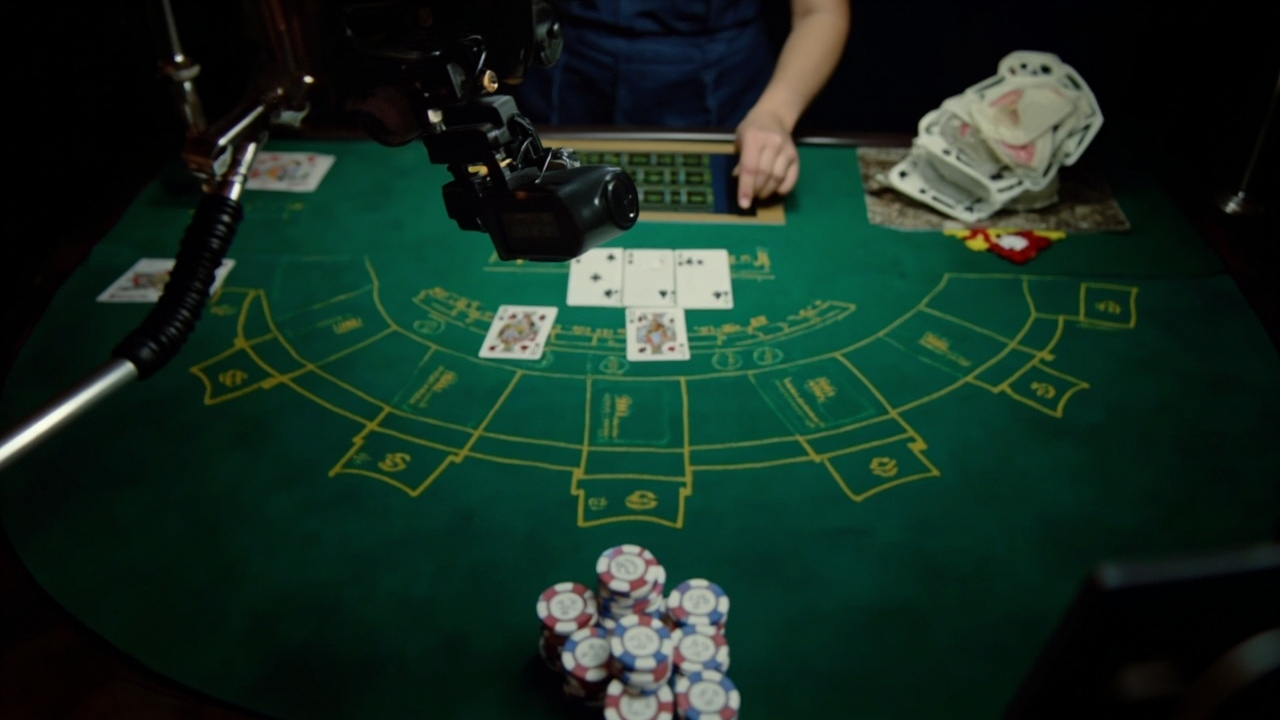
The live table stays what it is: a real dealer, a real shoe or wheel, and a digital grid that records your bets in real time. If you want the session to feel fair and the payouts to land where you expect them, the practical move is to check the stream stability, watch the bet window, and keep an eye on how the operator handles recurring value after the first promo runs out.
