

If you’re weighing up blackjack vs poker, you’re really choosing between two different sorts of session. One rewards steady rhythm and a solid grasp of basic strategy, while the other leans on reading opponents and managing your own table image. I’ve spent years watching both games run side by side across Australian venues, and the split usually comes down to what kind of evening you want.
What Each Game Actually Asks of You
Blackjack keeps the pressure on your decisions rather than on the person across the table. You’re working with fixed rules, a dealer who follows a strict sequence, and a house edge that shifts only when you stray from basic strategy. Poker runs on a completely different engine. You’re not just playing your cards; you’re tracking bet sizing, timing tells, and how opponents react when the pot gets heavy. When Moneymaker’s win sparked the global “poker boom” of the 2000s, it proved that the appeal wasn’t just the cards themselves, but the social layer sitting on top of them. That’s why I always tell readers that blackjack suits people who want a clear, repeatable routine, while poker suits those who enjoy reading a room and adjusting on the fly. The pace differs too. A blackjack shoe moves in a steady cadence, whereas a poker hand can stretch across several streets of betting, waiting for someone to crack first. If you prefer a game where the dealer’s actions are predictable and your edge comes from discipline, blackjack lines up neatly. If you’d rather weigh probability against psychology, poker is the natural fit.
How the Two Games Feel on a Local Floor
Walk into a Cairns casino on a warm arvo and you’ll see the contrast straight away. Blackjack tables tend to run with a steady hum of chips sliding across the felt, while poker rooms usually settle into something quieter and more deliberate. I’ve watched dealers “cut” chips into neat stacks so cameras can quickly verify amounts, and that habit matters more in poker than most players realise. It keeps the action transparent when pots climb and bets get layered across multiple streets. The social tone shifts as well. Blackjack players usually keep their focus on the shoe and their own hand, talking in short bursts between rounds. Poker tables carry more conversation, more posturing, and more reading of body language. That doesn’t make one game better than the other; it just means they reward different instincts. If you’re the sort who likes a brisk, self-contained round, blackjack usually feels more comfortable. If you enjoy the slower build-up and the chance to size up a handful of opponents, poker gives you that space. Either way, the local floor is where you feel the difference most clearly.
Where Ongoing Value Actually Shows Up
A decent welcome offer gets your foot in the door, but the real test is what happens after the first couple of sessions. Recurring promos, cashback, loyalty tiers, and repeat-play reasons are what keep a venue or platform worth your time once the initial bonus has been used. I’ve seen plenty of operators look generous on day one and then thin out the value by week three, so I always check how the repeat-play layer actually works before I’d point anyone toward it. You can see the kind of recurring structure I’m talking about at https://21bitbonus.com, where the focus stays on what keeps players coming back rather than just the first deposit. A solid loyalty setup should reward regular play without turning into a maze of fine print. Cashback can soften a rough session, but only if the terms are clear and the window for claiming it isn’t absurdly narrow. Tournaments add another angle, especially for players who like a fixed buy-in and a defined finish rather than an open-ended grind. If you’re comparing blackjack vs poker from a value standpoint, the key question is whether the ongoing perks match how you actually play. Someone who drops in for a quick hour each week needs different rewards than someone who logs in most evenings. Match the structure to your habits, and the welcome offer stops being the whole story.
Picking the Right Fit for Your Own Play Style
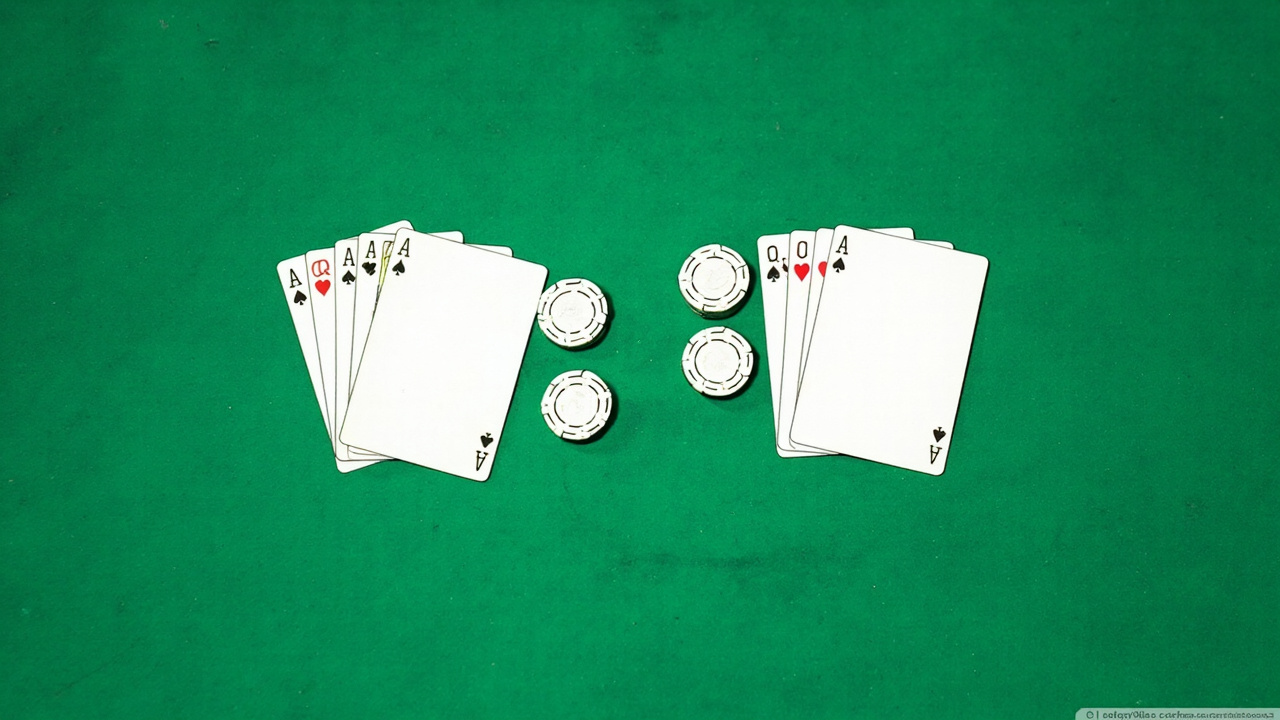
The choice between these two games comes down to what you want to carry home after the session ends. Blackjack gives you a cleaner feedback loop: you can see where your decisions helped or hurt, and you can tighten your strategy without needing to decode another player’s habits. Poker asks for more patience and more self-awareness, because you’re often waiting for the right spot rather than forcing action. I’ve sat through enough slow stretches in both games to know that discipline matters more than any short-term streak. Emily Mitchell, Head of Public Relations, Bondi Sports Data, has noted that players who treat either game as a steady hobby rather than a quick score tend to stay comfortable far longer. That lines up with what I’ve seen in practice. Claire Anderson, Risk and Integrity Manager, Southern Capital Advisory, also reminds players that pacing and bankroll limits matter just as much as the game you choose, because the temptation to chase a bad run can creep into either table. If you like structure, clear rules, and a game that rewards repetition, blackjack is the more natural match. If you enjoy reading opponents, managing variance, and making decisions that hinge on more than just your own cards, poker fits that mindset better. Either way, the best pick is the one that suits how you actually want to spend your time.
- Blackjack rewards a repeatable routine and a clear grasp of basic strategy.
- Poker leans on reading opponents, managing variance, and choosing the right moments to act.
- Ongoing value matters more than the first offer, so check recurring promos, cashback, and loyalty terms before you commit.
- Match the game to your habits: short, steady sessions suit blackjack, while longer, more social play suits poker.
